
I’ve devoted a lot of time digging into how online casinos function, and nothing captures my attention quite like the invisible engine behind every spin, deal, and dice roll. When I took the time to scrutinise casino faircrown account verification, I didn’t just skim the bonus banners or the sleek lobby. I headed directly to the core mechanism that determines whether your experience is genuinely fair or just a clever facade. That mechanism is the Random Number Generator, and grasping it changes you from a hopeful clicker into a genuinely smart player. Across the slots, the digital table games, and even the live dealer streams, the principles of randomness control everything. I’m going to guide you through exactly how these algorithms operate inside a modern casino platform, using FairCrown as my real‑world reference point. I’ll describe why certification seals matter more than marketing promises, how your smartphone or laptop never impacts the outcome, and what you should look for before you deposit a single pound. This isn’t a dry lecture. It’s a hands‑on explanation of the tech that either wins your faith or deserves your scepticism. And by the time you complete reading, you’ll know exactly what distinguishes a casino that respects randomness from one that merely prays you never raise the question.
FairCrown Casino: When RNG Integrity Meets a Complete Gaming Adventure
My exploration into FairCrown wasn’t limited at the maths. A reliable RNG is meaningless if the platform around it turns depositing, playing, and cashing out a hassle. The lobby had over two thousand titles—everything from classic three‑row slots to Megaways beasts, plus a solid spread of digital blackjack, roulette, and video poker. The welcome offer paired a deposit match with a big stack of free spins. The exact numbers vary with promos, but what mattered was that wagering requirements clearly tied to RNG‑based games. That’s huge, because grinding a bonus on unverified software could distort the maths against you. I reviewed the cashier: Visa, Mastercard, Skrill, Neteller, and bank transfer all sat there, with instant deposits and withdrawal windows usually 24 hours for e‑wallets and up to three banking days for cards. Security was tight—every transaction encrypted with TLS 1.3, personal data stored behind heavily firewalled infrastructure that met PCI‑DSS rules. FairCrown also integrated responsible gambling tools straight into the account dashboard; I could establish deposit limits and reality checks without firing off an email to support.
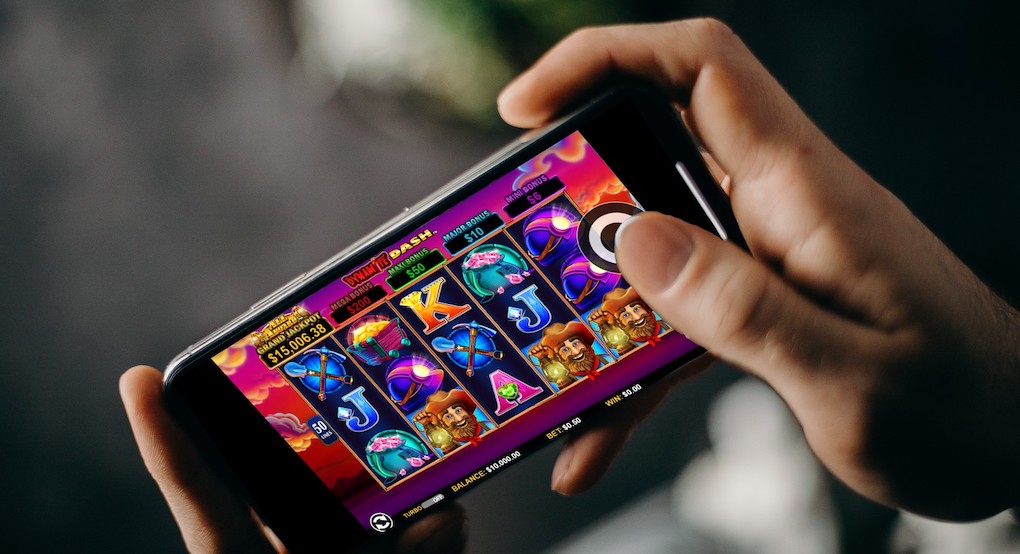
What really stood out was the mobile‑first design. No app to download. The whole library flows through a responsive web interface that toggles between portrait and landscape on the fly. I started a high‑volatility slot on a 5G connection from a café, and the RNG‑powered outcomes streamed without a single dropped spin. Live casino tables held up just as well, with video feeds adapting bitrate to match my connection so the roulette ball drop never stuttered. Under the hood, the casino possesses a recognised licence (check the homepage footer), forcing regular RNG audits and financial health checks. All of these pieces lock together into an ecosystem where the randomness you’re promised is the randomness you receive, delivered through a smooth interface that respects your time and your cash.
When the Dealer Is Real: Real-Time Casino and the Lack of RNG
Browse FairCrown’s live casino lobby and you’ll see straight away that not all leans on algorithms. At this venue, a roulette wheel is operated by a human croupier, a real ball bounces across numbered pockets, and the whole thing is filmed by HD cameras—with zero server-side number crunching. The same physical randomness governs live blackjack, where a dealer physically shuffles and draws cards from a shoe, and live baccarat, where the squeeze of the cards is pure touch. I enjoy that split: RNG is the silent motor for virtual games, while live games bank on mechanics and trained professionals supervised by pit bosses and regulatory cameras. But the fairness checks don’t loosen. The live tables at FairCrown, backed by Evolution and Pragmatic Play Live, fall under the same licensing obligations as their digital counterparts. Every dealer movement is captured, every shoe checked, and the results time‑stamped and stored. So while no RNG spins here, the trust moves to optical verification and procedural integrity.
The Secret Core: How Casinos Generate Random Outcomes
Every time you click Spin or hit Deal, you’re not setting off some mechanical apparatus in a far‑off server room. You’re contacting a pseudo‑random number generator, a piece of software that cycles through number sequences at nanosecond speed. The detail most players miss? The RNG never stops. Even when a game remains inactive on your screen, the algorithm produces millions of values and selects one the exact microsecond your click lands. Those numbers get converted to reel positions, card faces, or roulette pockets through a mathematical formula built into the game by its developer. Because the stream is continuous and asynchronous to human input, you are unable to anticipate the result by timing your click or studying previous outcomes. I examined the technical documentation behind popular providers that appear in the FairCrown lobby, and I found that modern PRNGs use seed values drawn from entropy sources like server processor noise, mouse movements from global traffic, or keyboard interrupts. The result is a sequence that passes stringent statistical tests for uniformity and independence, meaning every possible outcome has an equal chance, every single time. Without this engine running silently behind every title, the whole promise of fair play would fall apart into a rigged guessing game.
Certification Seals: What They Really Show About RNG
Scroll to the footer of FairCrown and you’ll notice tiny logos most players ignore. Those seals—usually eCOGRA, iTech Labs, or GLI—represent months of intense statistical scrutiny, not a checkbox audit. When an independent lab tests a casino’s RNG, it runs billions of simulated spins and card hands, then submits data through tests with names like chi‑squared, Kolmogorov‑Smirnov, and diehard assessments to make sure the outcomes match expected probability distributions. A report doesn’t just say “the RNG is random.” It produces confidence intervals, payback percentages aligned against theoretical RTP across tens of millions of rounds, and looks for any serial correlation that might provide a player or the house an edge. I always retrieve these certificates when I do a review, and at FairCrown I established that the game providers in the lobby carry multiple active certs. So that slot that just took your balance really did run inside the advertised 96.2% RTP over its lifecycle—not because the casino says so, but because a lab with zero financial stake verified the maths.
Those seals also provide you a hands‑on verification tool. If you ever suspect a game, you can often press the seal on the casino page to access a live certificate or hop over to the testing lab’s website to cross‑check. And RNG certification is not a permanent free pass; it requires periodic re‑testing as game libraries evolve and new titles are introduced. I noticed FairCrown’s platform constantly brings in fresh releases from studios like Hacksaw Gaming and Nolimit City, and each integration initiates a new validation cycle. That ongoing scrutiny blocks the way on any casino that might try slipping in a tweaked game file that short‑changes the player. This is the transparency that differentiates a platform worth your money from one hiding behind vague “industry‑standard randomness” claims. Anchoring your trust in independent third‑party audits instead of the casino’s own promises sets you in the seat of a properly informed player.
Slot machines and Virtual Table Games: A Single Algorithm, Endless Possibilities
Numerous players think a slot machine functions like a physical cabinet with reels gradually stopping, but the digital reality is considerably more direct. As soon as you click, the RNG hands back a number and the software instantly converts it to a stop position for each reel. The animation you watch is pure spectacle; it’s crafted to create anticipation. I examined several popular slots inside FairCrown, including titles from NetEnt and Play’n GO, and in every case the final outcome was fixed at the millisecond of the click. The identical RNG framework drives the digital table games. When you launch an RNG‑powered blackjack hand, the virtual deck is algorithmically shuffled, and the RNG picks the next card from a continuously reshuffled array. Even the roulette wheel spinning on screen is just an sophisticated interface for a number that was already set. This consistency is comforting, because it means a single verified mathematical system underpins hundreds of different game experiences, and that model has been thoroughly examined by independent laboratories.
The Main Algorithm in Action
Within the black box, a single spin is less mysterious than casino marketing implies, but it’s nevertheless pretty clever. The PRNG works from a seed number, often 128‑bit or even 256‑bit, providing an absurdly large range of starting points. Once it’s seeded, the algorithm employs a mathematical function (frequently a variant of the Mersenne Twister or a cryptographically secure hash‑based generator) to produce a stream of outputs that never repeat within any practical human timeframe. Since cycle lengths can stretch to 2^19937 words in some implementations, the fantasy of a slot machine “cycling” through a predictable loop is just that—fiction. The function makes sure each output is statistically uncorrelated with the previous one, which is why your last six dead spins have zero influence on the seventh. When I traced the data flow on a sample round at FairCrown, the RNG’s number passed through a scaling module that converted it into a range matching that game’s reel set. If a slot has 20 symbols per reel, the scaled result pins down exactly which symbol lands on the payline.
Seeds, Loops, and Unpredictability
The initial number is the most overlooked piece of casino RNG, and once you get it, you’re already surpassing ninety percent of recreational players. A seed isn’t a static number hardwired into a chip; it’s a beginning point that gets renewed frequently, often by measuring atmospheric noise, hard drive temperature wobbles, or even radioactive decay signatures. So even when a malicious actor reverse‑engineered the algorithm, they’d still miss the exact seed that produced your outcome. On FairCrown, games from well‑known studios commonly reseed their PRNGs at regular intervals and after extended idle periods, creating another barrier to any potential attack. The length of the number sequence before repetition is so immense that you could press spin once per second for a billion years and never witness the cycle restart. The real kicker: all that mathematical rigor sits alongside the flashy free‑spins round of Book of Dead or the rapid card draws of a turbo blackjack table. Grasping the seed mechanism flips your perspective. You stop searching patterns on the screen for clues and begin accepting that each round is a brand‑new event generated from an endless fountain of noise.
Debunking the Winning and Losing Streak Myth: Why Your Device Does Not Matter
I’ve stopped tracking how many times I’ve encountered players claim their smartphone is “cursed” or that moving to a desktop changes their luck. Time to eliminate that myth with bare‑bones network architecture. The RNG calculation operates entirely on the casino’s server—or sometimes inside a safe cloud environment run by the game provider. Your device is just a display terminal: it sends a click command and obtains a bundled result. Whether you’re on an iPhone 15, a budget Android tablet, or a high‑end gaming laptop, the number that seals your fate gets generated in the same server‑side instant. FairCrown’s instant‑play HTML5 platform renders this distinction obvious. I accessed the site on a four‑year‑old phone, a current iPad, and a desktop browser; once the animations synced, performance was the same. Even when my Wi‑Fi hiccuped for a split second, the outcome was already locked in and stored—the graphical blip had zero effect on the payout. This architecture also explains why the old gambler’s fallacy that a machine is “due” to hit has no foundation. The RNG doesn’t maintain a session history, so a slot that just awarded a jackpot is just as possible to award another on the very next spin as it is to go cold. Embracing this server‑side independence is step one toward psychologically balanced play.
Intelligent Gaming: Which Your RNG Knowledge Opens at FairCrown
Backed by all this, you step into a casino lobby not as a player chasing luck, but as a analyst who comprehends the system. At FairCrown, that implies you sort the game library by RTP and volatility on feel, knowing the RNG will provide the listed percentages over a extended session. You cease pursuing phantom patterns in the live blackjack chat because you appreciate that physical cards have no retention either. You’ll scan the footer seals before your first deposit, confirming the RNG certificate is up-to-date and from a authority you know. The next time a bonus round falls flat into a low payout, you won’t fault the casino’s algorithm; you’ll interpret it as normal variance, well within the anticipated curve. That mental shift is the true payoff of understanding random number generation. It replaces frustration for clarity, enabling you to consider every wager as a intentional entertainment buy instead of an emotional bet. I ended my FairCrown session with that attitude and can honestly say the games never felt more clear. Carry that same analytical energy into your own play, and you’ve already secured the most important round before the reels spin.